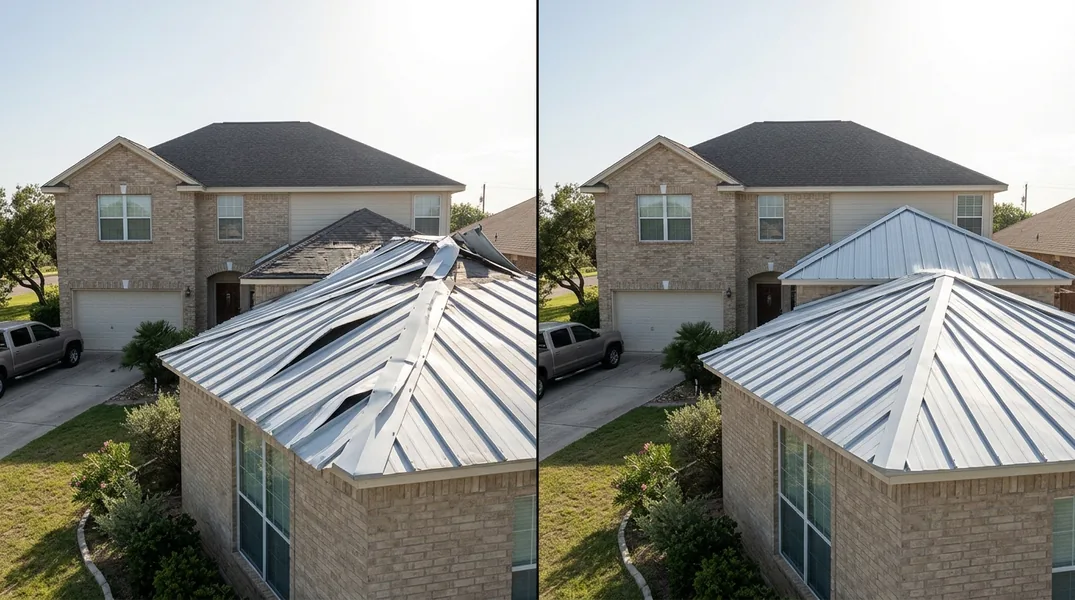
Metal Roofing vs. Asphalt Shingles: The Coastal Bend Durability Question
If you own a home in Corpus Christi, you already know the local climate is hard on roofs. Between the relentless Gulf Coast sun, salt-laden air, and tropical systems that push through the Coastal Bend, your roof takes a beating year after year. The two most common choices for local homeowners are metal roofing and asphalt shingles, and the durability comparison between them is not even close when you look at the long term.
Asphalt shingles are the default on most American homes because they are inexpensive to buy and fast to install. But in a climate like ours, that low upfront price often hides a shorter service life and more frequent repairs. Metal roofing, especially when installed by a professional Metal Roof Installation crew, is engineered to handle exactly the conditions that wear shingles out. This article breaks down how each material performs under the Coastal Bend sun and wind so you can make an informed decision for your home.
How Long Does an Asphalt Shingle Roof Last in Texas?
An asphalt shingle roof in Texas typically carries a manufacturer rating of 20 to 30 years, but real-world performance in the Coastal Bend is often shorter. The intense UV exposure along the Gulf Coast breaks down the asphalt binder in shingles faster than in milder climates, causing granules to loosen and the mat to dry out and crack. Add salt air and blowing sand, and you have a recipe for premature aging. Many homeowners in the area find themselves facing repairs or full replacement within 15 to 20 years, sometimes sooner after a major storm.
Heat is the other silent killer. Attic temperatures in a Corpus Christi summer can climb well above 140 degrees Fahrenheit, and that heat radiates back into the shingle layer from below. This thermal cycling causes shingles to curl, blister, and lose their seal, which makes them more vulnerable to wind uplift. After a tropical storm or hurricane, it is common to see shingle tabs scattered across lawns and streets. If you are weighing pricing for a shingle roof, factor in the likelihood of mid-life repairs and an earlier replacement date, because that changes the true cost considerably.
Metal Roofing Durability: Built for Sun, Salt, and Wind
Metal roofing durability is the headline advantage for coastal homeowners. A quality metal roof, particularly a Standing Seam Metal Roofing system, is expected to last 40 to 70 years or more. The panels are coated with advanced paint systems and often made from steel or aluminum alloys that resist corrosion, which matters enormously in salt-air environments. Unlike shingles, metal does not dry out, crack, or lose granules. It reflects a significant portion of the sun's energy, which can help keep attic temperatures lower and reduce cooling loads during the long Coastal Bend summer.
Wind performance is where metal really separates itself. Standing seam panels are attached with concealed fasteners and engineered to resist high wind uplift, and many systems carry wind ratings that meet or exceed local code requirements for hurricane-prone areas. Hail resistance is generally superior as well, since metal can absorb impact without the fracturing you see in asphalt. When homeowners in Rockport and other coastal communities ask which material holds up best to storms, the honest answer is almost always metal. It is not indestructible, but it is far more resilient than shingles under the same conditions.
The Real Cost Comparison: Upfront Price vs. Lifespan
Homeowners often compare roofs by the initial invoice, and on that measure asphalt shingles win. But the smarter comparison is cost per year of service. A shingle roof that costs less upfront but needs replacement in 15 to 18 years may cost more over a 40-year horizon than a metal roof installed once. When you add in patching, storm repairs, and the inconvenience of repeated projects, the gap narrows or disappears entirely. For a detailed breakdown of local figures, see our pricing page, which outlines what each option typically runs in this market.
There is also the retrofit angle. If your home already has shingles, you may not need a full tear-off. A Metal Roof Over Shingles (Retrofit) can sometimes be installed directly over the existing roof, saving on disposal costs and labor. Not every roof qualifies, and local building officials will have requirements, but it is worth asking about. A professional assessment will tell you whether retrofit makes sense for your home or whether a full Metal Roof Replacement is the better path. Either way, the goal is the same: a roof that lasts decades instead of years.
Metal Roof Installation Near Me: When to Call a Pro
If you are searching for metal roof installation near me in the Coastal Bend, the most important step is choosing an installer who understands local wind and salt conditions. Metal roofing is a system, not just panels. The underlayment, fasteners, flashing, and trim all have to be specified correctly for the coastal environment, and small installation errors can lead to leaks or premature failure. A local crew that works in Ingleside and Aransas Pass week in and week out knows which products hold up and which ones do not.
It is also worth confirming warranties in writing, including both the manufacturer's material warranty and the installer's workmanship warranty. Ask about wind ratings, fastener types, and how panels are secured at edges and ridges, since those details determine storm performance. If your current roof is nearing the end of its life or you have seen granules in the gutters or curling tabs, now is the time to get ahead of it rather than waiting for a leak. Reach out for a free estimate or call (361) 600-9211 to talk through your options with a local specialist.
Looking for a professional metal roofing contractor in Corpus Christi? Corpus Christi Metal Roofing responds fast for all your metal roofing needs.
Get a Free QuoteOur services: Metal Roof Installation · Standing Seam Metal Roofing · Metal Roof Replacement